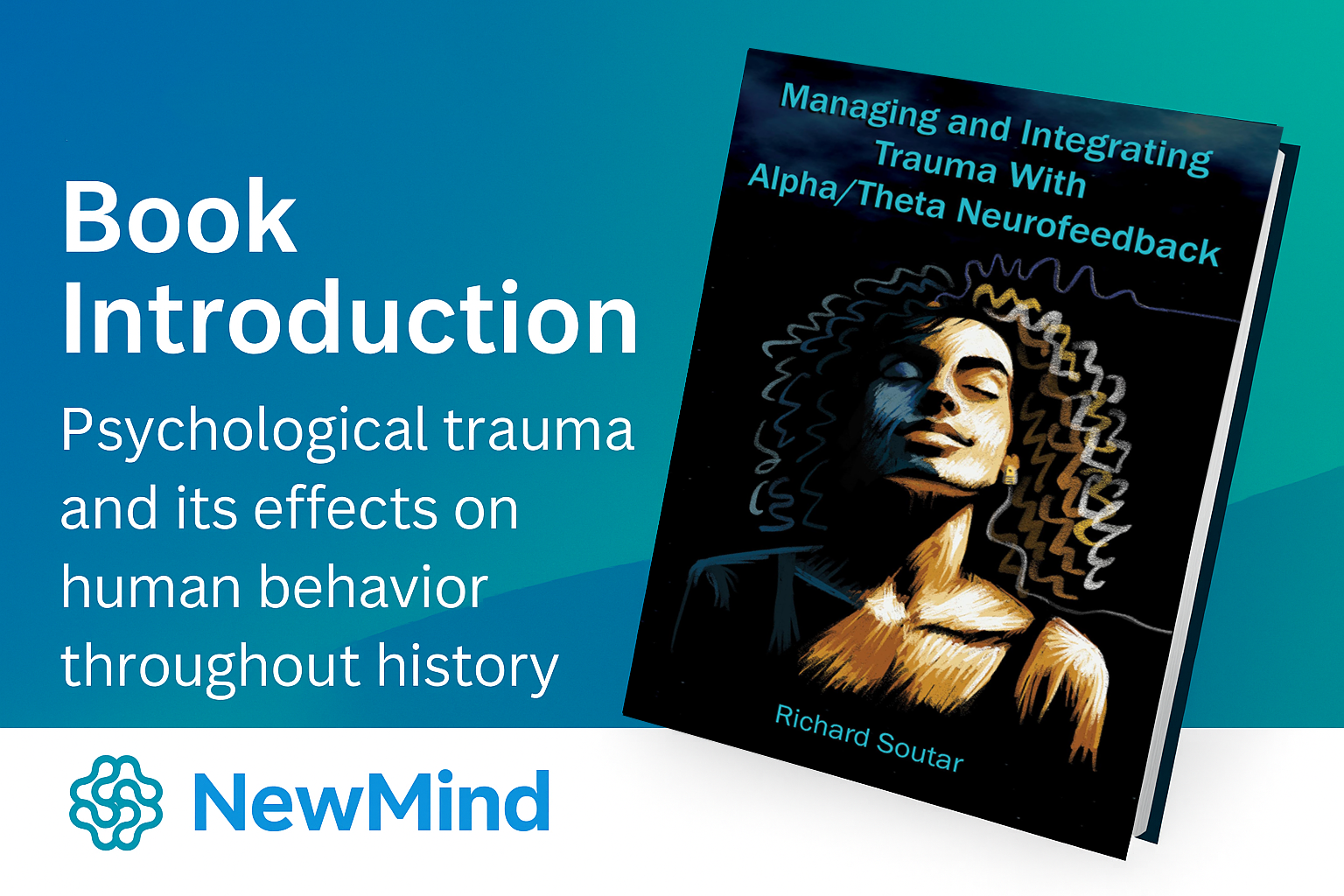
PTSD explores how neurofeedback can help individuals recover from post-traumatic stress disorder by regulating brainwave activity, improving emotional resilience, and reducing symptoms like anxiety, hypervigilance, and sleep disturbances. Discover the latest research, case studies, and insights on using neurofeedback for trauma recovery.
Recovering the Creative Response after PTSD with Neurofeedback
Post-traumatic stress can lock the brain into rigid, reactive patterns. Through neurofeedback for PTSD, clinicians help clients regain emotional balance and rediscover their natural capacity for calm, focus, and creativity. Dr. Richard Soutar explains how re-training the Default Mode Network and strengthening prefrontal control can reduce reactivity and restore what he calls the creative response—the ability to meet life’s challenges with awareness instead of fear.