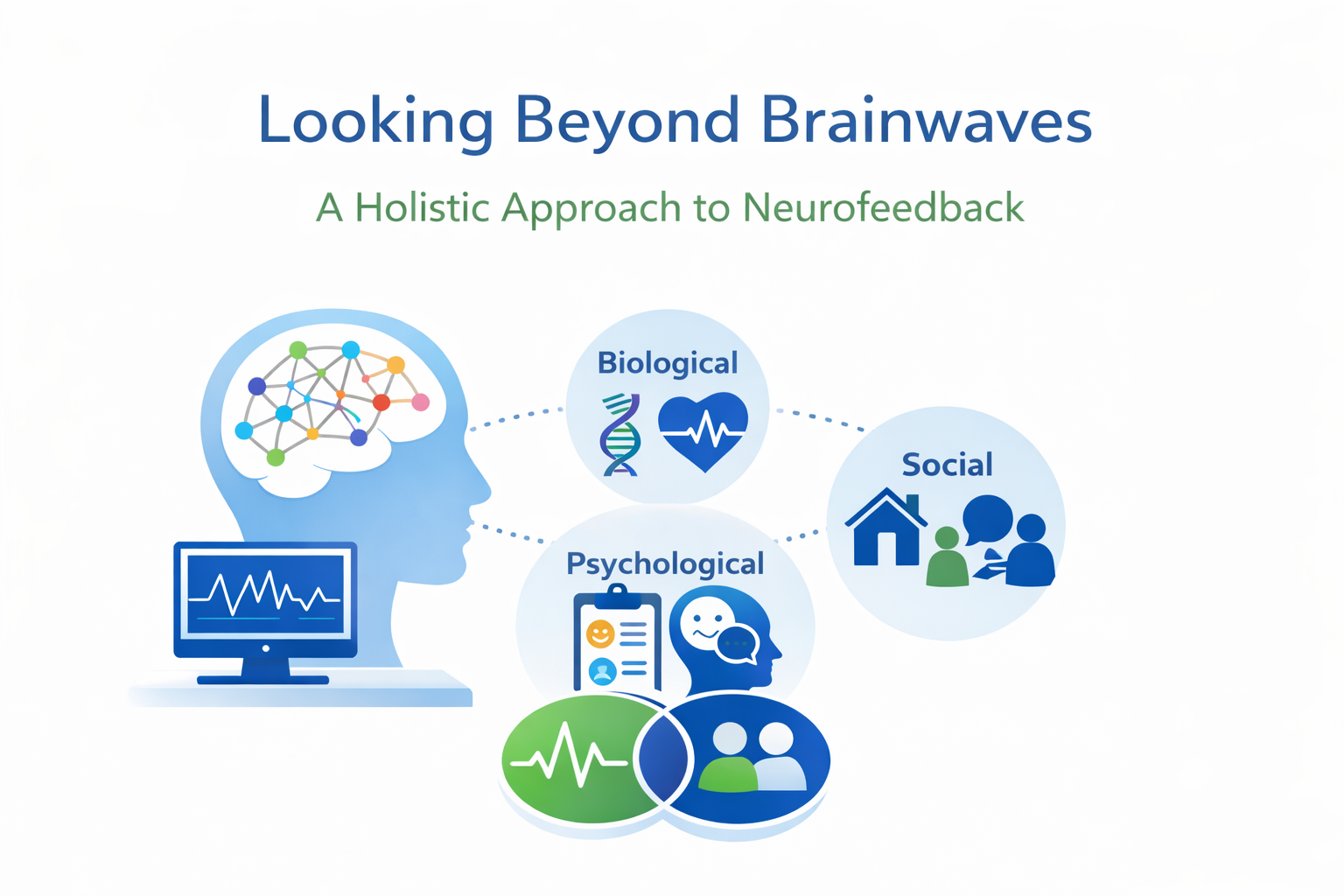
Neurofeedback is revolutionizing mental health by offering a non-invasive, drug-free approach to improving cognitive function and emotional well-being. This category explores how neurofeedback helps with conditions like anxiety, ADHD, depression, PTSD, trauma, and memory issues. From research-backed insights to real-world applications, discover how brain training can enhance mental resilience, focus, and overall wellness.
Recovering the Creative Response after PTSD with Neurofeedback

Post-traumatic stress can lock the brain into rigid, reactive patterns. Through neurofeedback for PTSD, clinicians help clients regain emotional balance and rediscover their natural capacity for calm, focus, and creativity. Dr. Richard Soutar explains how re-training the Default Mode Network and strengthening prefrontal control can reduce reactivity and restore what he calls the creative response—the ability to meet life’s challenges with awareness instead of fear.

Treating Depression with Neurofeedback: A New Approach to an Old Challenge

Depression is more than a chemical imbalance—it’s linked to stress, gut health, and brainwave activity. Research shows that neurofeedback can help by retraining brainwave patterns, reducing both depression and anxiety symptoms. In this post, we explain how NewMind’s asymmetry protocols bring these findings into practice for clinicians and clients.

Managing and Integrating Trauma with Alpha Theta Neurofeedback

This introduction to Managing and Integrating Trauma With Alpha Theta Neurofeedback outlines Dr. Richard Soutar’s comprehensive approach to treating psychological trauma through Alpha Theta brainwave training. Drawing on decades of clinical experience and a wide body of scientific research, the post explores the origins, methodology, and practical applications of neurofeedback in addressing PTSD and complex trauma. It also highlights the broader psychological, physiological, and transpersonal dimensions of trauma recovery, offering a foundation for clinicians interested in a structured, integrative framework.

From Overloaded to Optimized: How Neurofeedback Rewires the Brain for Peak Performance

What does it take to perform at your best—consistently, under pressure, and without burning out? Peak performance isn't just reserved for elite athletes. From surgeons to CEOs, more professionals are turning to neurofeedback to sharpen focus, recover faster, and improve emotional regulation. This post explores how neurofeedback enhances the brain’s ability to shift states, build resilience, and maintain clarity in high-demand situations. Backed by decades of research and real-world results, it offers a data-driven look at how training the brain can lead to measurable gains in performance and well-being.

Decoding the Stressed Brain: How Oxidative Stress Manifests in qEEG Patterns

Chronic stress leaves a deeper mark on the brain than most people realize. Beyond temporary feelings of anxiety, it sparks a cascade of biological changes that, over time, can fundamentally alter brain function. One of the most significant contributors to this hidden damage is oxidative stress—a harmful imbalance between free radicals and the body’s ability to neutralize them. Because the brain is rich in lipids and demands high levels of oxygen, it’s particularly vulnerable to this process. This blog post explores how oxidative stress damages the brain’s electrical activity, how Quantitative EEG (qEEG) can detect these changes, and how NewMind Technologies' frameworks, including Dr. Richard Soutar's model of stress-related qEEG patterns, offer clinicians a new way to recognize, assess, and intervene in these early stages—empowering better brain health and resilience before more serious issues take hold

Functional Neurofeedback: A Comprehensive Guide to Holistic Brain Training

Functional neurofeedback represents the cutting edge of brain training technology, offering personalized approaches to optimize neural patterns and enhance mental performance. This comprehensive guide explores how this advanced form of neurofeedback works, its scientific foundations, and its transformative potential for cognitive enhancement and therapeutic applications.

Advancing Brain Trauma Treatment: The Impact of Neurofeedback on Injury Recovery

Brain trauma treatment requires a personalized approach, especially when symptoms persist long after the initial injury. From mild concussions to more severe traumatic brain injuries (TBI), damage to the brain can trigger a cascade of issues—neuroinflammation, oxidative stress, and disruptions in brain function—that affect everything from memory to mood. NewMind’s neurofeedback tools, qEEG brain mapping, and symptom assessment resources help clinicians better understand each client’s condition and design individualized training protocols. With these tools, providers can support recovery, track progress, and address the complex challenges of brain trauma more effectively

Go to Top