Avatar photo

About Amber O'Brien

Amber O’Brien is a health science writer who is passionate about taking complex topics and transforming them into easy to read, engaging content. She blends the art of writing with neuroscience research to help people enjoy learning health science. While earning her M.S. in Psychological Science, she gained hands-on research experience in a behavioral neuroscience lab. Through her studies, she developed an appreciation for the complex and multifaceted nature of wellness. Due to this, she is a champion of individualized approaches to physical and mental health.

Delta Waves and Sleep: How Neurofeedback Enhances Deep Rest

Sleep is crucial for maintaining health, but many people have difficulty falling asleep, staying asleep or getting good quantity or quality sleep. In qEEg brain maps, poor sleep is associated with abnormal delta wave activity. Learn about how delta waves and sleep quality are connected and how neurofeedback training can alleviate the burden of sleep deprivation.

How Clinicians Use Neurofeedback to Drive Better Outcomes: A Neurofeedback Success Story

How can you tell which is the best brain training program? The proof is in the neurofeedback customer case studies. Bobbi Sanchez’s young client faced a mental health challenge that wasn’t responding to other methods of care. She put NewMind to the test to discover what makes a brain training program the best choice for herself and her clients.

The Power of Brainwave Frequency: Interpreting Dominant Frequencies in Neurofeedback

Dominant brainwave frequencies offer a window into how the brain operates in various states—from deep sleep to intense focus. In neurofeedback, knowing how to interpret these frequencies can make the difference between a generic approach and one that truly meets a client’s needs. This post explains what dominant frequency means, how it's identified on a qEEG, and why it matters when tailoring neurofeedback protocols. With practical examples and evidence-backed training strategies, it shows how clinicians can use this knowledge to promote healthier brain function and measurable progress.

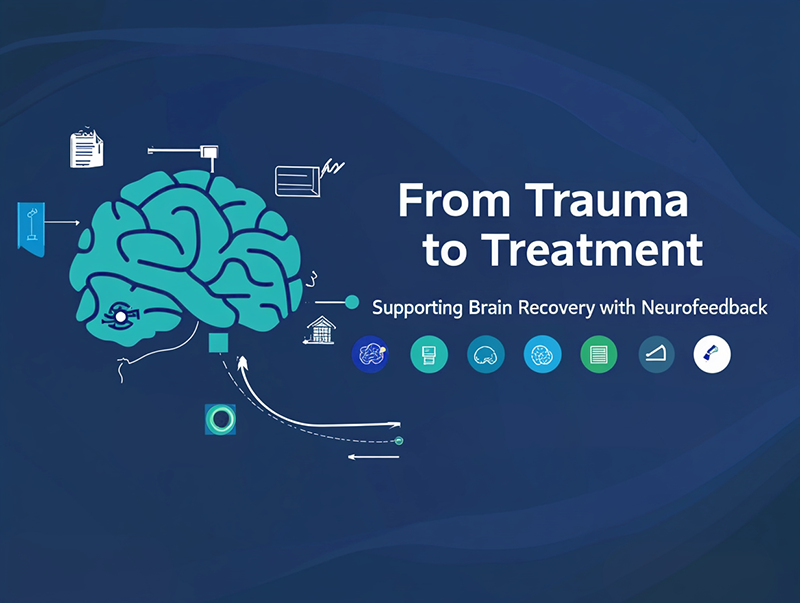
Advancing Brain Trauma Treatment: The Impact of Neurofeedback on Injury Recovery

Brain trauma treatment requires a personalized approach, especially when symptoms persist long after the initial injury. From mild concussions to more severe traumatic brain injuries (TBI), damage to the brain can trigger a cascade of issues—neuroinflammation, oxidative stress, and disruptions in brain function—that affect everything from memory to mood. NewMind’s neurofeedback tools, qEEG brain mapping, and symptom assessment resources help clinicians better understand each client’s condition and design individualized training protocols. With these tools, providers can support recovery, track progress, and address the complex challenges of brain trauma more effectively

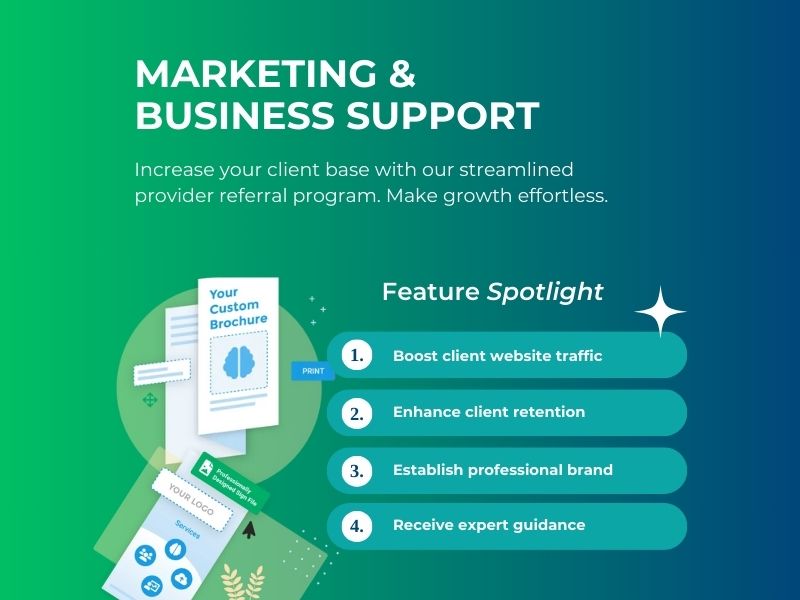
Neurofeedback Success: Boosting Your Practice with NewMind’s Marketing Program

Reaching new clients for your neurofeedback practice isn’t just about having a great service—it’s about making sure people know it’s there. Without a clear marketing plan, even the most effective neurofeedback solutions can go unnoticed, much like a party without guests. By setting up strategic conversation starters, maintaining a digital presence, and using educational resources, you can ensure your message reaches the right people and keeps them engaged

Go to Top