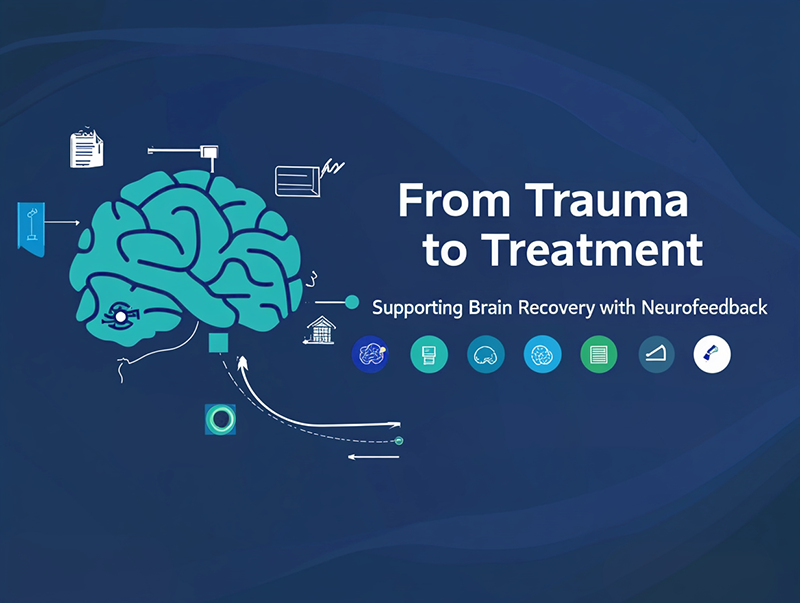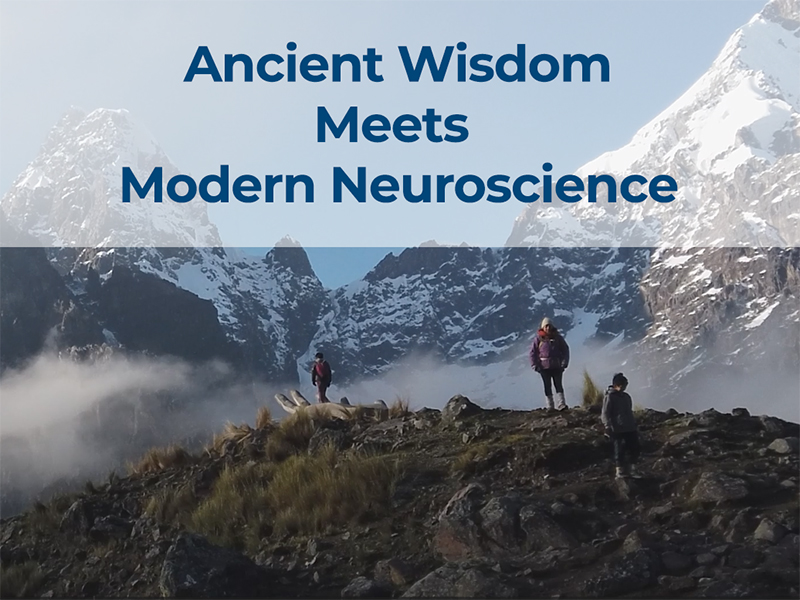
Trauma covers the impact of Traumatic Brain Injury (TBI) and other neurological trauma on cognitive function, mental health, and overall well-being. This section explores how neurofeedback can aid in recovery, improve brain function, and support individuals dealing with the long-term effects of head injuries and brain trauma.
Recovering the Creative Response after PTSD with Neurofeedback

Post-traumatic stress can lock the brain into rigid, reactive patterns. Through neurofeedback for PTSD, clinicians help clients regain emotional balance and rediscover their natural capacity for calm, focus, and creativity. Dr. Richard Soutar explains how re-training the Default Mode Network and strengthening prefrontal control can reduce reactivity and restore what he calls the creative response—the ability to meet life’s challenges with awareness instead of fear.

Treating Depression with Neurofeedback: A New Approach to an Old Challenge

Depression is more than a chemical imbalance—it’s linked to stress, gut health, and brainwave activity. Research shows that neurofeedback can help by retraining brainwave patterns, reducing both depression and anxiety symptoms. In this post, we explain how NewMind’s asymmetry protocols bring these findings into practice for clinicians and clients.

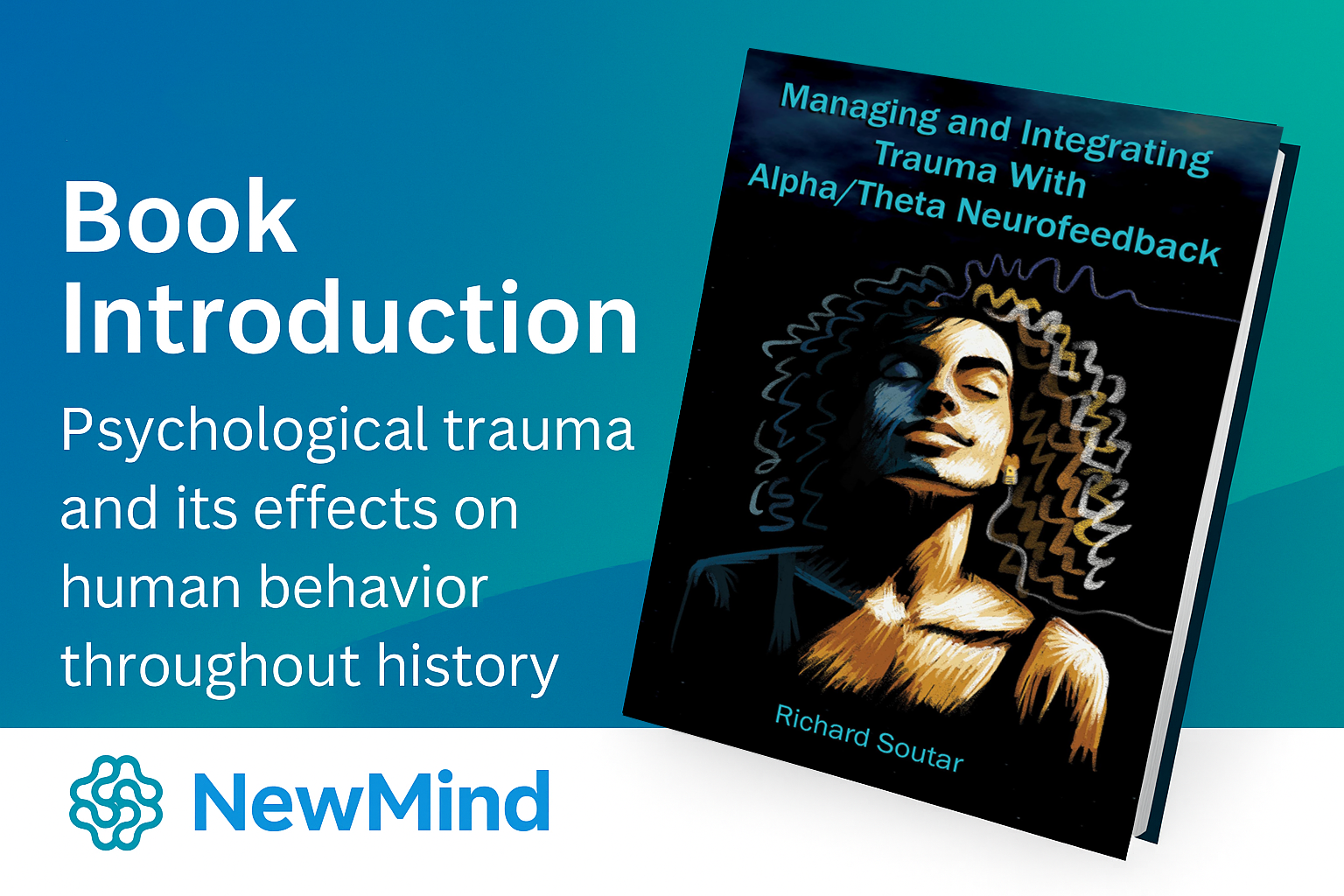
Managing and Integrating Trauma with Alpha Theta Neurofeedback

This introduction to Managing and Integrating Trauma With Alpha Theta Neurofeedback outlines Dr. Richard Soutar’s comprehensive approach to treating psychological trauma through Alpha Theta brainwave training. Drawing on decades of clinical experience and a wide body of scientific research, the post explores the origins, methodology, and practical applications of neurofeedback in addressing PTSD and complex trauma. It also highlights the broader psychological, physiological, and transpersonal dimensions of trauma recovery, offering a foundation for clinicians interested in a structured, integrative framework.

Functional Neurofeedback: A Comprehensive Guide to Holistic Brain Training

Functional neurofeedback represents the cutting edge of brain training technology, offering personalized approaches to optimize neural patterns and enhance mental performance. This comprehensive guide explores how this advanced form of neurofeedback works, its scientific foundations, and its transformative potential for cognitive enhancement and therapeutic applications.

Advancing Brain Trauma Treatment: The Impact of Neurofeedback on Injury Recovery

Brain trauma treatment requires a personalized approach, especially when symptoms persist long after the initial injury. From mild concussions to more severe traumatic brain injuries (TBI), damage to the brain can trigger a cascade of issues—neuroinflammation, oxidative stress, and disruptions in brain function—that affect everything from memory to mood. NewMind’s neurofeedback tools, qEEG brain mapping, and symptom assessment resources help clinicians better understand each client’s condition and design individualized training protocols. With these tools, providers can support recovery, track progress, and address the complex challenges of brain trauma more effectively

Neurofeedback and Psychedelics: A New Path to Healing in the Sacred Valley

Neurofeedback and psychedelics are creating new approach to healing, combining ancient plant medicine with modern brain science. Using QEEG brain mapping, researchers have observed how ayahuasca helps normalize brain activity, while neurofeedback provides a structured way to integrate these changes for long-term benefits. Explore how this powerful combination is redefining mental health and personal transformation.

Ayahuasca & Neurofeedback: A Synergistic Combination for Personal Transformation

Neurofeedback and psychedelics are reshaping our understanding of consciousness and healing. In Crossed Paths: Ancient Wisdom and Modern Science, NewMind Technologies takes you deep into the Peruvian Sacred Valley to explore how ayahuasca ceremonies influence brain activity. Watch the trailer, explore behind-the-scenes content, and uncover the science behind this groundbreaking documentary.

Go to Top