The Power of Brainwave Frequency: Interpreting Dominant Frequencies in Neurofeedback

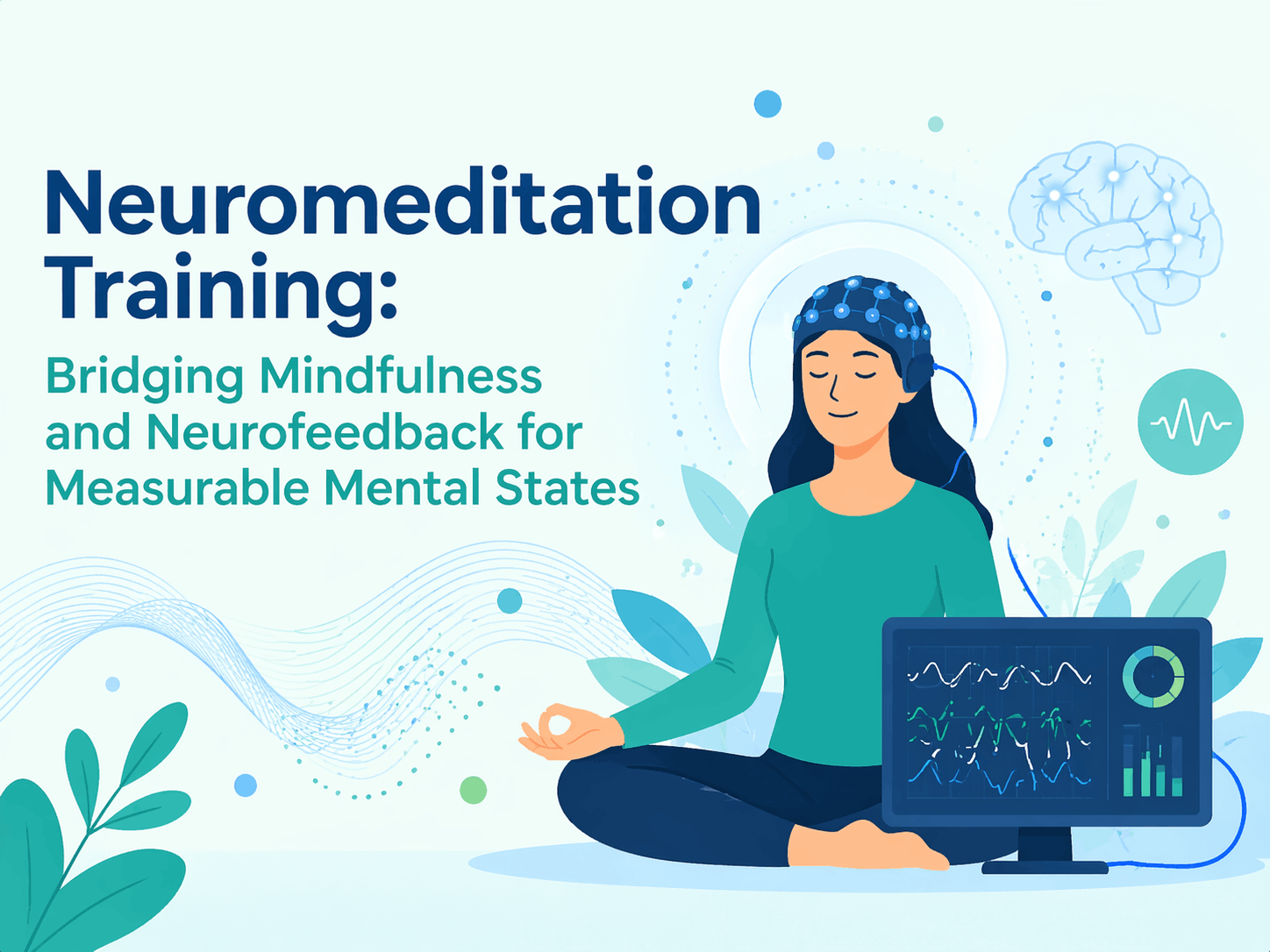
Dominant brainwave frequencies offer a window into how the brain operates in various states—from deep sleep to intense focus. In neurofeedback, knowing how to interpret these frequencies can make the difference between a generic approach and one that truly meets a client’s needs. This post explains what dominant frequency means, how it's identified on a qEEG, and why it matters when tailoring neurofeedback protocols. With practical examples and evidence-backed training strategies, it shows how clinicians can use this knowledge to promote healthier brain function and measurable progress.

The Truth About Theta: How Theta Brainwaves Shape Memory, Focus, and Relaxation

Theta brain waves play a key role in relaxation, memory, and cognitive processing, but misconceptions about their function persist. While some believe theta waves should always be reduced, research shows they are essential for both emotional integration and executive function. Understanding the two types of theta—recurrent and ascending—can help individuals optimize brain health through neurofeedback and other training techniques. Explore how different brain waves influence mental clarity, stress reduction, and cognitive performance.

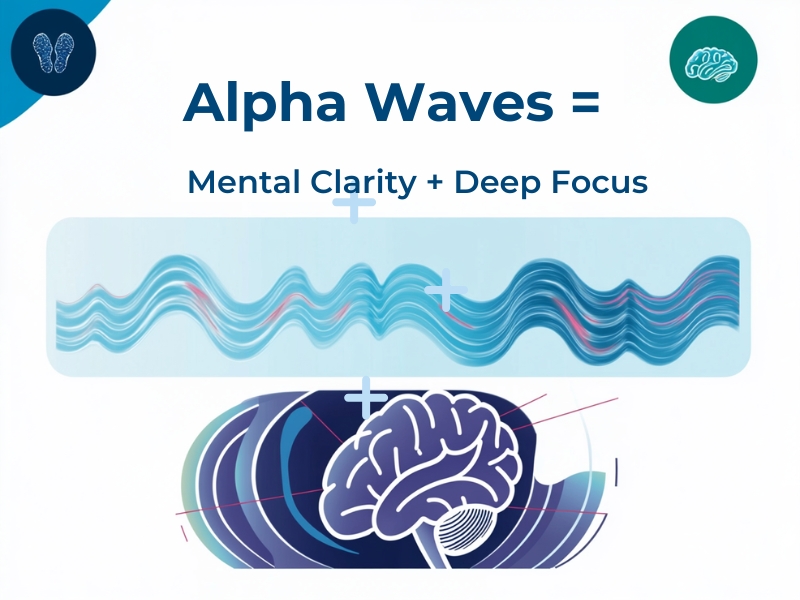
Understanding Alpha Waves: Unlocking the Multifaceted Power of Alpha Brainwaves

Understanding alpha brainwaves in neurofeedback is key to enhancing cognitive function, emotional balance, and mental clarity. This in-depth guide explores the role of alpha waves, their impact on brain function, and how neurofeedback can harness them for relaxation, focus, and peak performance. Discover the science behind alpha waves and their potential in neurofeedback training.

Go to Top